
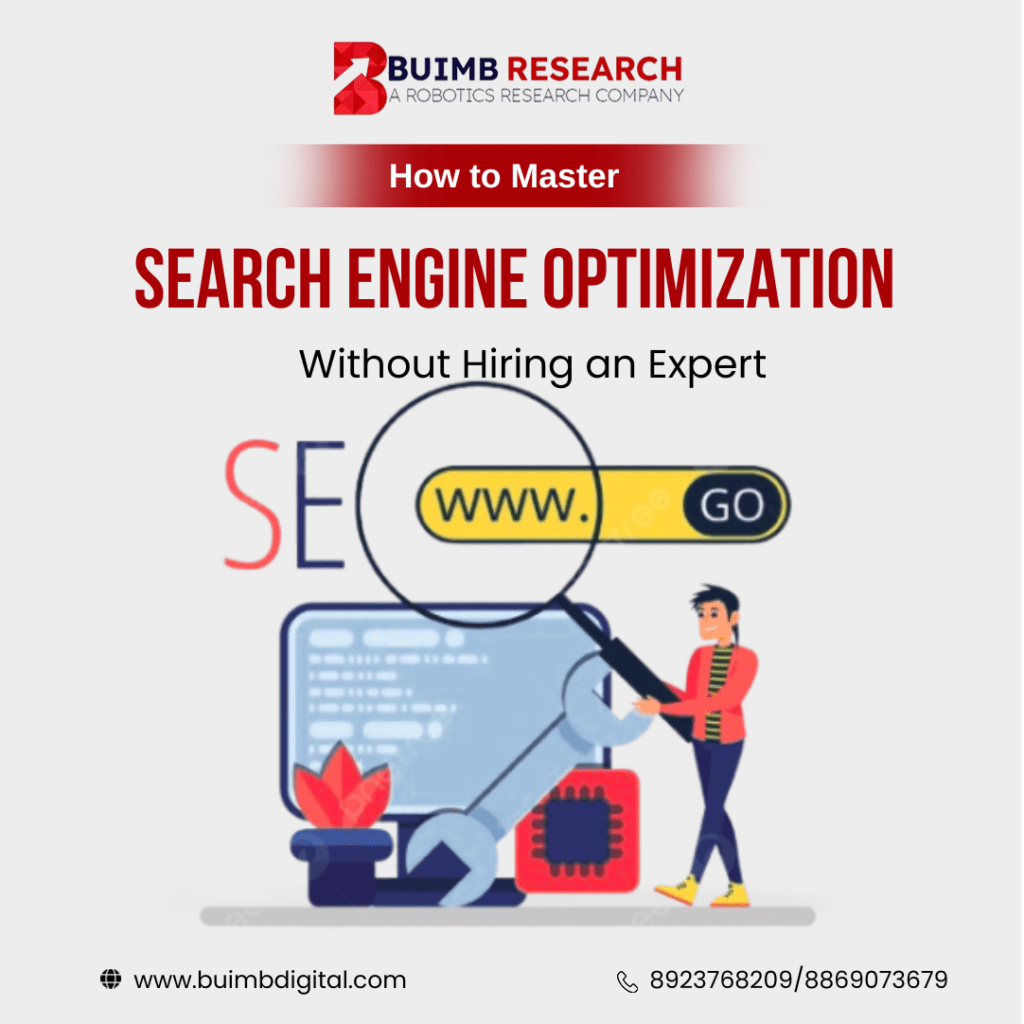
How to Master Search Engine Optimization Without Hiring an Expert
Search Engine Optimization (SEO) is one of the most powerful ways to grow your online presence, attract targeted traffic, and build long-term visibility. The good news? You don’t need to hire an expert or spend huge amounts of money to master SEO. With the right strategies, tools, and consistent effort, anyone can learn effective SEO techniques and apply them to their website. Here’s a simple guide to help you get started and succeed—even without professional help.
1. How Search Engines Work
Before diving into SEO, it’s important to understand how search engines like Google rank websites. They look for three major factors:
- Relevance – Does your content match what users search for?
- Quality – Is your content original, informative, and well-written?
- Authority – Do other websites trust and link to your content?
2. Start With Keyword Research
Keyword research is the foundation of SEO. You don’t need paid tools—free options work perfectly for beginners.
Try these free tools:
- Google Keyword Planner
- AnswerThePublic
- Ubersuggest (free version)
- Google Search Autocomplete
3. Optimize Your On-Page SEO
On-page SEO helps search engines understand your content. Here’s what to focus on:
- Add your main keyword in the title, URL, first paragraph, and headings.
- Use related keywords naturally throughout your content.
- Write clear meta titles and meta descriptions that attract clicks.
- Use internal links to connect your pages.
- Add images with descriptive alt text.
4. Publish High-Quality, Helpful Content
Content is the backbone of SEO. You don’t need to be a professional writer—just focus on providing value.
Your content should be:
- Informative
- Well-structured
- Easy to read
- Up-to-date
- Solution-focused
5. Build Backlinks the Right Way
Backlinks are links from other websites that point to your site. They show Google that your content is trustworthy.
Simple ways to build backlinks without hiring an agency:
- Write guest posts
- Share content on social media
- Comment on blogs intelligently
- Join niche communities
- Create share-worthy infographics or guides
6. Track Your Progress With Free Tools
You don’t need expensive software. Use Google’s free tools:
- Google Analytics – Track visitors and popular pages
- Google Search Console – Monitor ranking keywords and fix issues
- PageSpeed Insights – Improve site speed
References
- Google Search Central – SEO Starter Guide
- Moz – Beginner’s Guide to SEO
- HubSpot – SEO Best Practices 2024
- SEMrush – Keyword Research for Beginners
- Neil Patel – Free SEO Tools for Starters