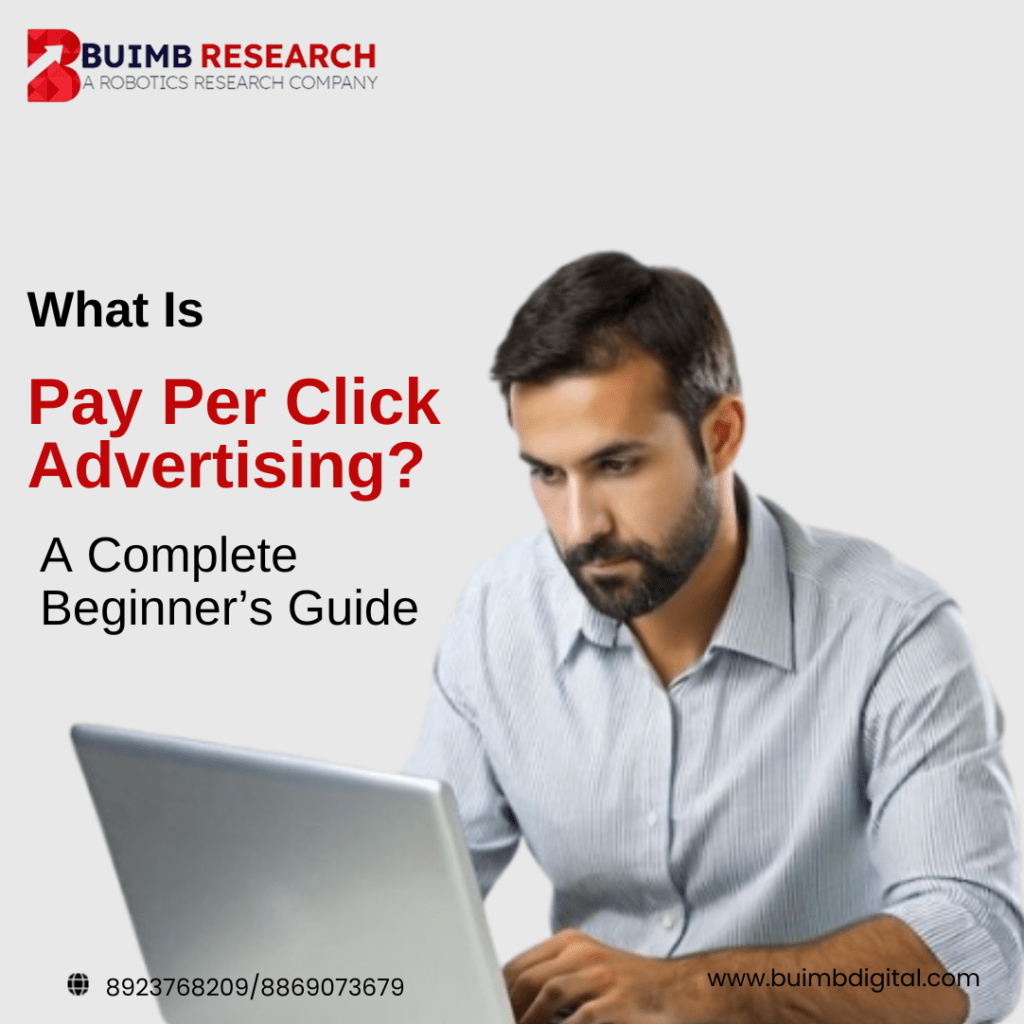
What Is Pay Per Click (PPC) Advertising? A Complete Beginner’s Guide
In today’s hyper-competitive digital world, businesses need fast, measurable, and effective ways to reach their target audience. While SEO is great for long-term growth, many brands look for an immediate boost in visibility—and that’s where Pay Per Click (PPC) advertising comes in. PPC is one of the most powerful online advertising models, helping businesses attract customers, generate leads, and increase sales quickly. If you’re a beginner, this guide will explain everything you need to know to get started.
What Is PPC Advertising?
PPC (Pay Per Click) is an online advertising model in which advertisers pay a fee each time someone clicks on their ad. Instead of earning traffic organically, you buy visits to your website. The most common PPC platform is Google Ads, but PPC is also used on:
- Facebook and Instagram Ads
- YouTube Ads
- LinkedIn Ads
- Twitter (X) Ads
- Bing Ads
How Does PPC Work?
PPC works through an auction system. Here’s how it works step-by-step:
- You select keywords related to your business.
- You set a budget and bid (max amount you’re willing to pay per click).
- Google or a social media platform decides which ads appear based on:
- Bid amount
- Ad quality (Quality Score)
- Relevance to the user
If someone clicks your ad, you pay for the click. If they don’t, you pay nothing.
Benefits of PPC Advertising
1. Immediate Results
Unlike SEO, which takes time, PPC can bring instant traffic and leads as soon as your campaign starts.
2. Highly Targeted Audience Reach
PPC allows precise targeting based on:
- Location
- Gender
- Age
- Interests
- User behavior
Keywords
This ensures your ads reach the right audience.
3. Full Control Over Budget
You can start with as little as ₹200–₹500 per day and scale up anytime.
4. Easy to Measure and Track
With tools like Google Analytics and Google Ads Dashboard, you can measure:
- Clicks
- Conversions
- Cost per click (CPC)
- Return on investment (ROI)
Types of PPC Ads
1. Search Ads
Text ads that appear on Google when someone searches for keywords.
2. Display Ads
Banner image ads appearing on websites and apps.
3. Social Media Ads
Paid ads on Facebook, Instagram, LinkedIn, etc.
4. Video Ads
Ads shown on YouTube before or during videos.
5. Shopping Ads
References
- Google Ads – How PPC Works
- HubSpot – PPC Marketing for Beginners
- WordStream – PPC Basics Guide
- Neil Patel – The Complete Guide to Pay Per Click
- SEMrush – PPC Keyword Research Tips