
What is Web Design?

What is Web Design?

Web design encompasses the process of creating and arranging the visual and functional aspects of a website. It involves planning, conceptualizing, and creating the layout, colors, fonts, images, and interactive elements of a website. Essentially, web design is concerned with how a website looks and feels to its users, as well as how effectively it communicates its intended message.

What is Web Design? Read More »

What are the latest Trends and Topics in web development?

What are the latest Trends and Topics in web development?

Progressive Web Apps (PWAs) have gained significant traction for delivering a native app-like experience through web browsers. PWAs combine the best of web and mobile apps by leveraging modern web technologies to provide fast loading times, offline capabilities, and engaging user experiences. Key features include:

Service Workers: Enabling offline functionality and background sync.
Responsive Design: Adapting seamlessly to various devices and screen sizes.
App Shell Architecture: Fast loading with essential resources cached locally.

PWAs are increasingly adopted by major companies like Twitter and Pinterest, highlighting their potential to revolutionize how users interact with web applications.

What are the latest Trends and Topics in web development? Read More »

Which web development course is best to do offline?

Which web development course is best to do offline?

Offline courses offer several advantages over online alternatives, particularly for individuals who prefer:

Structured Learning: Offline courses often follow a well-defined curriculum with structured lessons, providing a clear learning path.
Personalized Support: Instructors and mentors in offline courses can provide immediate feedback and guidance, enhancing the learning experience.
Peer Interaction: Classroom settings facilitate interaction with peers, enabling collaborative learning and networking opportunities.
Hands-On Practice: Many offline courses include practical exercises and projects conducted in real-time, reinforcing theoretical knowledge.

Which web development course is best to do offline? Read More »

Are web development jobs hard to get? ​

Are web development jobs hard to get?

To understand the job market for web developers, it’s crucial to first grasp the extent of the demand. Web development encompasses a broad spectrum of skills, ranging from front-end development, which focuses on what users interact with, to back-end development, which deals with server-side logic and databases. Additionally, skills in frameworks and libraries such as React, Angular, and Vue.js are highly sought after, further diversifying the field.

Are web development jobs hard to get? Read More »

What is a Database?

What is a Database?

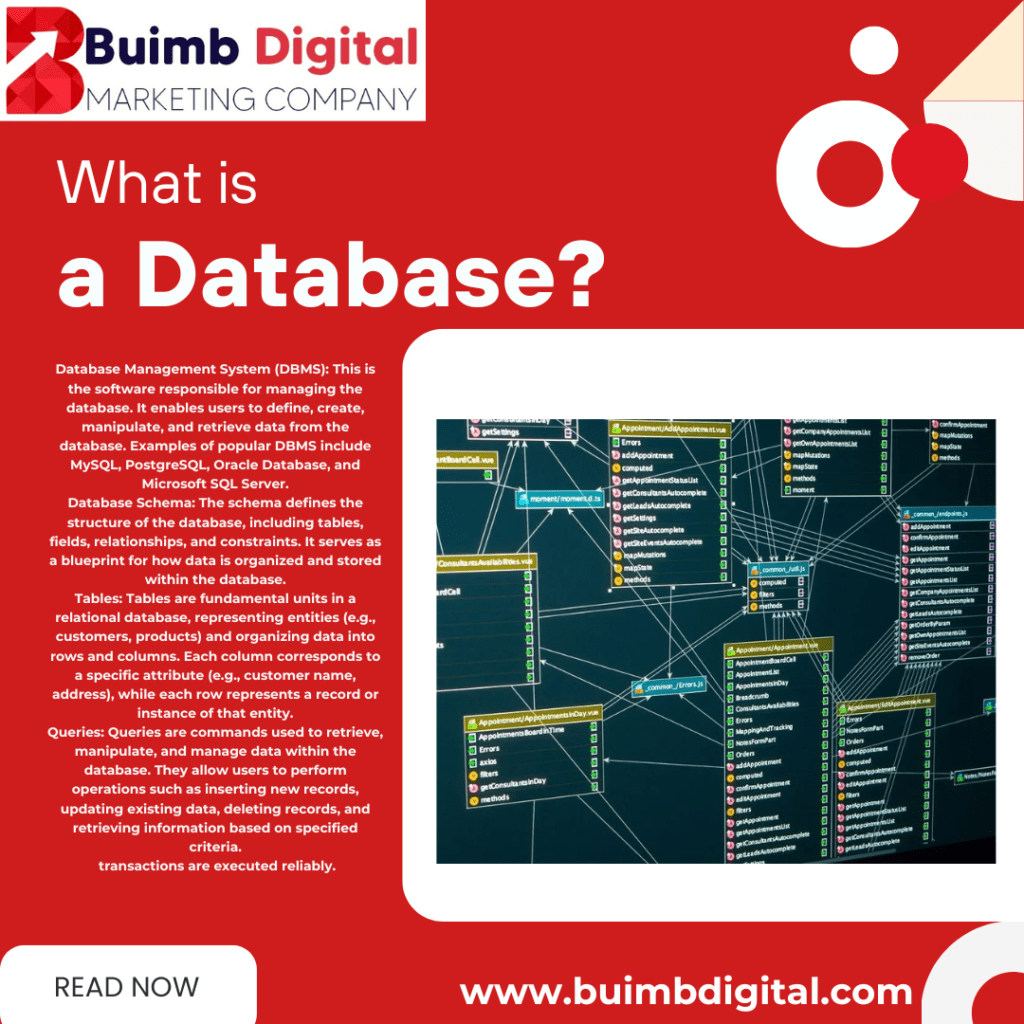
 A database is a structured collection of data that is organized and stored electronically. Think of it as a digital filing cabinet where information is systematically stored and readily accessible. Unlike traditional file systems that store data in separate files, databases offer a centralized and efficient way to manage large volumes of data. This structured approach not only facilitates easy storage but also enables quick retrieval and manipulation of data, making databases indispensable in numerous applications across industries.

What is a Database? Read More »

What is PHP?

What is PHP?

In the vast landscape of web development, PHP stands out as a robust and versatile scripting language that has played a crucial role in shaping the modern web. Whether you’re a seasoned developer or just starting out in the world of programming, understanding PHP is essential for building dynamic and interactive websites. In this blog post, we’ll explore what PHP is, its history, key features, advantages, common use cases, and its future prospects.

What is PHP? Read More »

Why do we use JavaScript in web development?

Why do we use javascript in web development?

JavaScript was initially introduced as a client-side scripting language, primarily executed within the user’s browser. This capability revolutionized web development by enabling developers to create dynamic and interactive user interfaces (UIs). Unlike static HTML and CSS, JavaScript allows for real-time updates and responses to user actions without needing to reload the entire web page. This responsiveness enhances user experience (UX) by making web applications feel more fluid and engaging.

Why do we use javascript in web development? Read More »

Scroll to Top