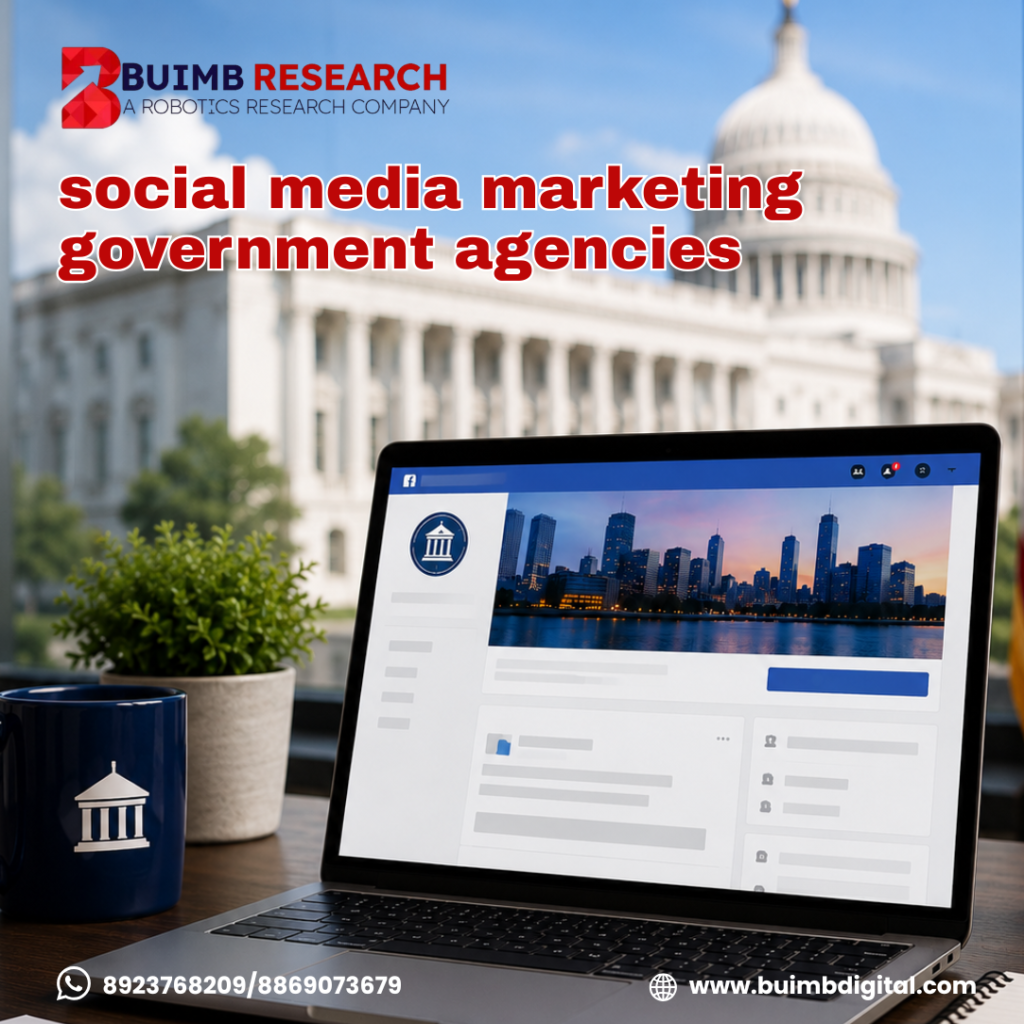
Social Media Marketing for Government Agencies
Trusted by businesses across India, the UK, and the USA.
If you are looking to generate more leads, improve your online presence, or scale your Social Media Marketing for Government Agencies campaigns effectively, our team can help you achieve measurable results.
From SEO and performance marketing to branding, campaign management, and marketing strategy consulting, we work with businesses to identify growth opportunities and implement marketing solutions that deliver real impact.
Connect with us to explore how the right digital marketing strategy can accelerate your business growth.
Social Media Marketing for Government Agencies
In today’s digital-first world, social media marketing for government agencies has become one of the most powerful communication strategies for public institutions. Citizens no longer rely solely on television broadcasts, newspapers, or official press releases for updates from government bodies. Instead, they turn to platforms like Facebook, Instagram, X, LinkedIn, and YouTube for real-time information, public announcements, emergency alerts, and community engagement.
This guide explores the importance of social media marketing for government agencies, including strategies, benefits, challenges, best practices, and future trends shaping digital government communication.
Connect with us to explore how the right digital marketing strategy can accelerate your business growth.
What Is Social Media Marketing for Government Agencies?
Social media marketing for government agencies refers to the strategic use of social media platforms to communicate, engage, inform, and build long-term relationships with citizens, businesses, organizations, and other stakeholders. In today’s digital world, government institutions are increasingly using platforms such as Facebook, Instagram, X, LinkedIn, and YouTube to share important information and connect directly with the public in real time.
Today, citizens expect fast and direct access to information. Traditional communication channels such as newspapers, television, and printed notices are no longer enough on their own. Social media helps government agencies provide instant updates and reach a wider audience efficiently. Whether it is a local municipality, police department, healthcare organization, tourism board, or national ministry, social media has become an essential part of modern public communication.
Government institutions use social media to perform several important functions, including:
Share Public Information
One of the main purposes of government social media marketing is to provide accurate and timely public information. Agencies regularly share updates related to:
- New government policies
- Public service announcements
- Infrastructure projects
- Tax deadlines
- Healthcare programs
- Transportation updates
- Community events
- Educational initiatives
Social media helps ensure that important information reaches citizens quickly and efficiently.
Increase Transparency
Transparency is essential for building public trust. Government agencies use social media to openly communicate decisions, activities, and project updates with citizens. By sharing information regularly, agencies demonstrate accountability and improve public confidence.
Examples of transparent communication include:
- Budget announcements
- Progress reports on public projects
- Policy explanations
- Public meeting updates
- Departmental activities
Open communication helps reduce confusion and misinformation while strengthening relationships with communities.
Promote Public Programs
Government organizations often launch programs designed to improve public welfare and community development. Social media helps agencies promote these initiatives effectively and encourage public participation.
Examples include:
- Vaccination campaigns
- Environmental awareness programs
- Education initiatives
- Employment schemes
- Tourism promotion campaigns
- Public health awareness drives
Through social media marketing, agencies can reach larger audiences at lower costs compared to traditional advertising methods.
Improve Citizen Engagement
Social media creates opportunities for two-way communication between governments and citizens. Instead of simply broadcasting announcements, agencies can interact directly with the public.
Citizens can:
- Ask questions
- Share feedback
- Participate in discussions
- Report local problems
- Respond to surveys and polls
This engagement allows government institutions to better understand public concerns and improve service delivery.
Deliver Emergency Communications
During emergencies and crises, social media becomes one of the fastest and most effective communication tools available. Government agencies can instantly provide important updates during situations such as:
- Floods
- Earthquakes
- Pandemics
- Severe weather conditions
- Traffic emergencies
- Public safety threats
Real-time communication helps keep citizens informed and safe during critical situations.
Build Community Trust
Trust is one of the most valuable assets for any government institution. Consistent, honest, and transparent communication through social media helps agencies strengthen public confidence.
Governments can build trust by:
- Providing accurate information
- Responding quickly to citizen concerns
- Addressing misinformation
- Sharing community success stories
- Highlighting public service efforts
When citizens feel informed and heard, they are more likely to trust public institutions.
Encourage Participation in Public Initiatives
Government social media marketing also encourages citizens to participate in community and civic activities. Agencies use social platforms to increase awareness and involvement in:
- Elections and voting
- Public consultations
- Community programs
- Awareness campaigns
- Volunteer activities
- Environmental initiatives
This participation strengthens democratic engagement and creates stronger communities.
The Importance of Social Media in Modern Government Communication
Social media has transformed how governments interact with the public. Citizens now rely heavily on digital platforms for news, updates, and communication. As smartphone and internet usage continue to increase, government agencies must maintain an active and professional social media presence to stay connected with communities.
Some major advantages of social media marketing for government agencies include:
- Faster communication
- Wider audience reach
- Lower communication costs
- Improved public engagement
- Better crisis management
- Increased transparency
- Real-time information sharing
Social media also allows agencies to humanize their communication by showing behind-the-scenes work, employee contributions, and community success stories. This creates a more relatable and approachable image for public institutions.
Government Social Media Marketing Focuses on Public Service
Unlike commercial marketing that focuses on increasing revenue and customer sales, government social media marketing focuses on public value and service. The goal is to improve communication, educate citizens, support communities, and strengthen relationships between governments and the public.
Successful government social media strategies prioritize:
- Public awareness
- Citizen education
- Transparency
- Community engagement
- Public safety
- Accessibility
- Trust-building
As digital communication continues to evolve, social media will remain one of the most important tools for modern government agencies to connect with citizens and provide effective public service.
Why Social Media Marketing for Government Agencies Matters
1. Direct Communication with Citizens
One of the biggest advantages of social media marketing for government agencies is direct communication with the public. Agencies can instantly share updates regarding:
- Policy changes
- Public health announcements
- Road closures
- Emergency alerts
- Election information
- Government schemes
- Community initiatives
Citizens can also ask questions, provide feedback, and communicate directly with government officials.
2. Increased Transparency and Public Trust
Transparency is essential for every public institution. Effective social media marketing for government agencies helps governments demonstrate accountability and openness by:
- Sharing project updates
- Publishing budget announcements
- Explaining policies clearly
- Addressing public concerns
- Communicating decisions openly
When government agencies communicate consistently and honestly, public trust improves significantly.
3. Faster Emergency Communication
During emergencies, social media marketing for government agencies becomes a critical communication tool. Government departments can quickly distribute:
- Safety instructions
- Weather warnings
- Health advisories
- Evacuation notices
- Disaster management updates
- Traffic alerts
Real-time communication helps reduce confusion and improve public safety.
4. Cost-Effective Public Outreach
Compared to traditional advertising methods such as television, radio, and print media, social media marketing for government agencies is highly cost-effective. Even small local agencies can reach large audiences without massive budgets.
This allows governments to promote awareness campaigns and public initiatives more efficiently.
5. Better Citizen Engagement
Modern social media marketing for government agencies encourages two-way communication. Citizens can:
- Participate in polls
- Attend virtual town halls
- Share feedback
- Report local issues
- Join public discussions
This engagement helps agencies understand public concerns and improve services.
Major Platforms Used in Social Media Marketing for Government Agencies
Facebook remains one of the most effective platforms for social media marketing for government agencies.
Best uses include:
- Community updates
- Public announcements
- Livestream events
- Educational campaigns
- Emergency communication
Instagram is highly visual and useful for:
- Tourism campaigns
- Youth engagement
- Awareness programs
- Community storytelling
- Behind-the-scenes government activities
Instagram Reels and Stories improve engagement significantly.
X (Formerly Twitter)
X is ideal for real-time updates and emergency communication.
Government agencies use it for:
- Breaking news
- Emergency alerts
- Public notifications
- Live event updates
- Press releases
LinkedIn supports professional communication in social media marketing for government agencies.
It is useful for:
- Recruitment
- Leadership communication
- Professional networking
- Public sector announcements
YouTube
YouTube helps agencies publish:
- Educational videos
- Public service announcements
- Press conferences
- Awareness campaigns
- Documentary-style content
Video content improves understanding and audience retention.
Key Goals of Social Media Marketing for Government Agencies
Successful social media marketing for government agencies should focus on clear goals.
Public Awareness
Government agencies use social media to educate citizens about:
- Public health
- Safety regulations
- Voting procedures
- Tax deadlines
- Environmental campaigns
Citizen Engagement
Interactive communication strengthens democracy and community involvement.
Examples include:
- Polls
- Surveys
- Q&A sessions
- Public consultations
- Live discussions
Crisis Management
A strong crisis communication strategy is essential in social media marketing for government agencies.
It helps agencies:
- Share verified information
- Control misinformation
- Coordinate emergency responses
- Calm public panic
Reputation Management
Positive communication improves institutional credibility.
Government agencies can:
- Highlight achievements
- Showcase community impact
- Humanize public officials
- Build public trust
Best Practices for Social Media Marketing for Government Agencies
Develop a Clear Strategy
A successful strategy should include:
- Defined goals
- Audience targeting
- Platform selection
- Content calendar
- Crisis response plan
- Performance metrics
Focus on Transparency
Transparency is one of the most important principles in social media marketing for government agencies.
Best practices include:
- Sharing factual information
- Providing regular updates
- Explaining policy decisions
- Responding honestly to concerns
Use Simple and Clear Language
Government communication should always be easy to understand.
Content should be:
- Concise
- Accessible
- Citizen-friendly
- Free from unnecessary jargon
Create Visual Content
Visual communication improves engagement and reach.
Government agencies should use:
- Infographics
- Videos
- Photos
- Charts
- Animations
Engage with Citizens
Social media should encourage conversations rather than one-way communication.
Government agencies should:
- Reply to comments
- Answer public questions
- Encourage discussions
- Acknowledge citizen concerns
Maintain Consistency
Consistent posting improves visibility and trust. A regular content schedule ensures continuous communication with the public.
Challenges in Social Media Marketing for Government Agencies
Misinformation and Fake News
One major challenge in social media marketing for government agencies is combating misinformation. False information spreads rapidly online, especially during emergencies.
Government agencies must provide accurate updates quickly to maintain public trust.
Managing Public Criticism
Public institutions often face criticism online. Agencies should:
- Remain professional
- Respond respectfully
- Focus on facts
- Avoid emotional reactions
Cybersecurity Risks
Government accounts are frequent targets for cyberattacks.
Important security measures include:
- Multi-factor authentication
- Strong passwords
- Staff training
- Regular monitoring
Limited Resources
Some agencies struggle with:
- Limited budgets
- Small teams
- Lack of digital expertise
However, strategic planning can still deliver successful results.
Content Ideas for Social Media Marketing for Government Agencies
Effective content ideas include:
Educational Content
- Health tips
- Voting instructions
- Safety guidelines
- Environmental awareness
Community Stories
Highlighting local heroes and public servants strengthens community trust.
Behind-the-Scenes Posts
Showing government work processes increases transparency.
Live Sessions
Examples include:
- Press conferences
- Public meetings
- Emergency updates
- Q&A sessions
Public Service Announcements
Important reminders about:
- Regulations
- Deadlines
- Public programs
- Emergency preparedness
The Role of Analytics in Social Media Marketing for Government Agencies
Analytics help agencies measure campaign performance and improve communication strategies.
Important metrics include:
- Reach
- Engagement
- Shares
- Comments
- Video views
- Click-through rates
Data analysis helps agencies understand which content resonates most with citizens.
Future Trends in Social Media Marketing for Government Agencies
Artificial Intelligence and Chatbots
AI-powered chatbots can answer common citizen questions instantly and improve efficiency.
Short-Form Video Content
Short videos on Instagram Reels and YouTube Shorts are becoming increasingly effective for public awareness campaigns.
Livestream Communication
Live digital events improve transparency and allow governments to communicate directly with citizens.
Personalized Communication
Future social media marketing for government agencies strategies may use data-driven personalization to deliver more relevant public information.
Conclusion
Social media marketing for government agencies has completely transformed modern public communication. It enables faster communication, stronger citizen engagement, increased transparency, improved crisis management, and better public awareness.
However, successful social media marketing for government agencies requires more than simply posting updates online. Government institutions must develop strategic communication plans, prioritize transparency, engage respectfully with citizens, and adapt to evolving digital trends.
As technology continues to evolve, social media marketing for government agencies will become even more important in strengthening relationships between governments and communities. Agencies that embrace digital communication effectively will be better positioned to build trust, improve public services, and support democratic engagement in the digital age.
References
Here are some useful references and official resources you can include at the end of the blog to improve credibility and SEO value.
- Meta for Government Communication
- Instagram Business and Community Tools
- X Business and Government Updates
- LinkedIn for Government Organizations
- YouTube Official Creator Resources
Connect with us to explore how the right digital marketing strategy can accelerate your business growth.
1. What is social media marketing for government agencies?
Social media marketing for government agencies refers to the use of social media platforms to communicate with citizens, share public information, increase transparency, promote government programs, and improve community engagement.
2. Why is social media important for government agencies?
Social media helps government organizations communicate quickly and directly with citizens. It improves transparency, strengthens public trust, supports emergency communication, and encourages civic participation.
3. Which social media platforms are best for government communication?
Popular platforms for government communication include:
- Facebook for community engagement and announcements
- Instagram for visual campaigns and youth outreach
- X for real-time updates and emergency alerts
- LinkedIn for professional communication and recruitment
- YouTube for educational videos and public service announcements
4. How do government agencies use social media during emergencies?
Government agencies use social media during emergencies to provide:
- Safety instructions
- Weather warnings
- Evacuation notices
- Traffic updates
- Health advisories
- Real-time emergency alerts
Fast communication helps keep citizens informed and safe.
5. What are the benefits of social media marketing for government agencies?
Major benefits include:
- Faster communication
- Improved transparency
- Better citizen engagement
- Cost-effective outreach
- Stronger public trust
- Real-time updates
- Increased public awareness